Blood test turnaround, who covers settings, and open caseload are the three questions that separate defense offices, and the way each one answers is the useful part.
A first consultation after a drunk-driving arrest tends to run on the lawyer's script: the stop, the field sobriety tests, the license suspension deadline, the fee. That script is useful, but it is the same in every office, which means it tells a person almost nothing about which office to choose. Three questions do a better job, because the answers vary by county, by firm, and by how much of the work the person across the desk actually does. They concern the blood test, the settings, and the caseload. What follows is how three offices in the same county answered them.
How long is the blood evidence taking to come back right now?
A blood draw case does not move until the lab report exists, and in many county courts the wait is measured in months rather than weeks. The question is not whether a backlog exists in general; it is what the current turnaround looks like for this specific lab, on cases filed this month. The National Institute of Standards and Technology is the federal body responsible for measurement standards and forensic science methods, which is worth knowing because the second half of the question is about method, not just timing: whether the office has ever requested the underlying chromatograms, calibration records, and analyst bench notes, and how long that request usually adds.
The first office answered with a range and a reason: roughly four to seven months at the moment, longer if the case involves a hospital draw rather than a law enforcement phlebotomist. The second said backlogs were bad everywhere and moved on. The third named the lab, said the wait had shortened since the previous year, and volunteered that the discovery request for raw data goes out at the first setting rather than after the report arrives. That third answer contained a date, a place, and a sequence. A careful reader notices which answers can be checked later and which cannot.
Who physically appears at the settings, and what happens at each one?
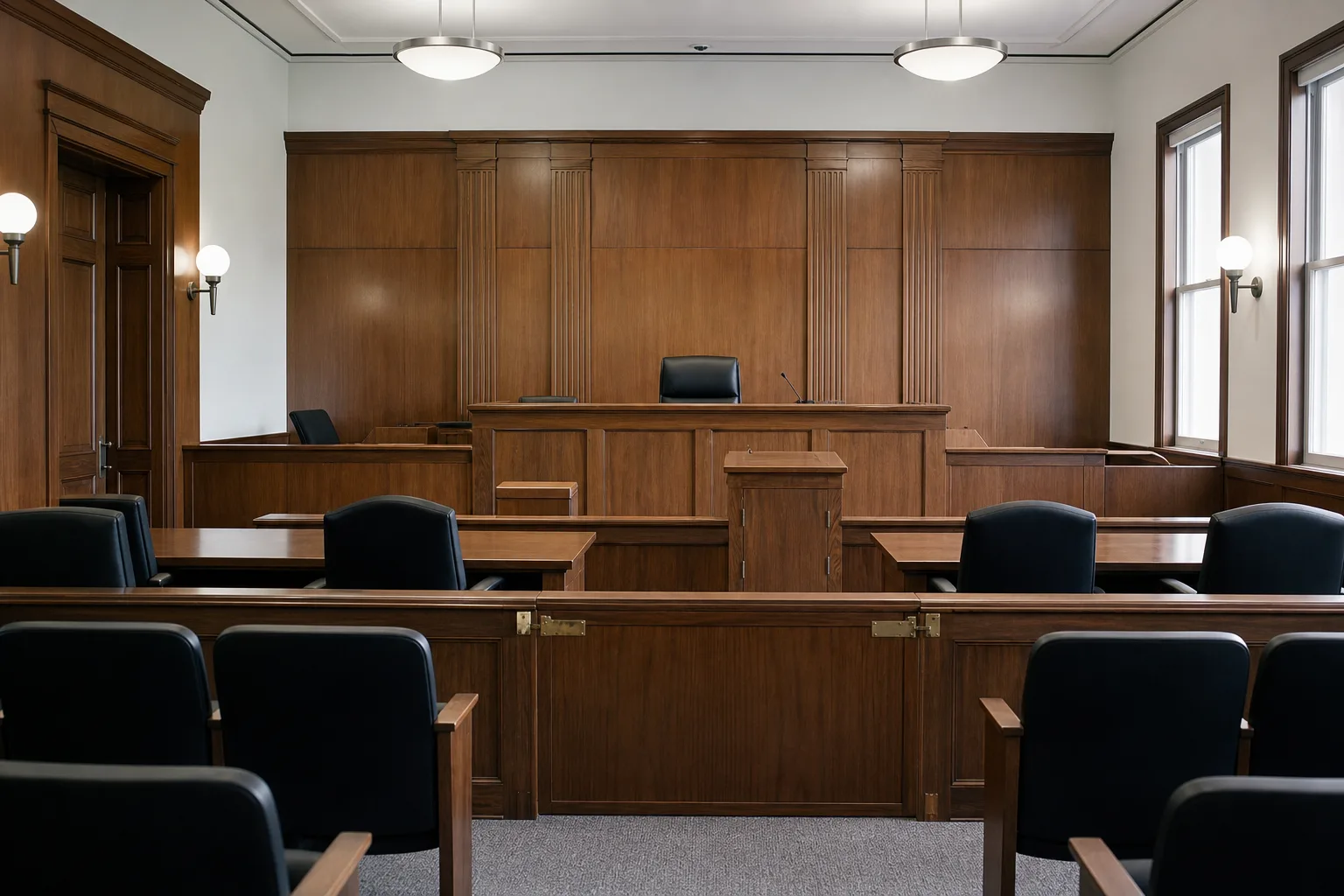
Most of a county DWI case is resets: short appearances where a prosecutor hands over a file, a plea offer gets discussed, and a new date goes on the docket. Many people hire a name and then meet an associate, a contract attorney, or a covering lawyer from another firm on the day. That is not automatically bad. It becomes a problem when nobody said so in advance, and when the person appearing has not read the file. The question worth asking plainly is who stands up, how often the client has to be present, and what happens if a conflict pulls the named lawyer to another courtroom.
Answers here separated the three offices more sharply than the fee did. One said the named lawyer appears at every setting and produced a calendar to show how that was possible. One said settings are routine and handled by whoever is available, which was honest, and worth weighing against the price. One said an associate covers resets while the named lawyer handles the pretrial hearing and any trial, and then described exactly where the handoff falls. All three arrangements can produce good outcomes. Only one of them surprises a client in month four.
How many open cases does this office carry?
Caseload is the question lawyers least expect and answer most revealingly. A number alone means little without knowing how many attorneys share it, how many are set for trial, and what share are misdemeanors with predictable paths. Asked directly, the first office gave a rough figure and the number of lawyers behind it. The second declined to give a number but described a weekly intake cap, which is a real answer in a different currency. The third gave a figure that, divided by the staff described earlier, implied more files per lawyer than the first office and a leaner support structure, along with a flat fee that was lower.
That tradeoff is the useful part. Volume practices often know the prosecutors and the standing offers cold, and their pricing reflects efficiency rather than corner-cutting. Lower-volume practices cost more per case and buy more attention per file. Neither is the right answer for everyone; the point of asking is to know which one is being purchased, at what price, before the retainer is signed. Written notes make this possible: date, question, answer, and whether a figure was given or avoided.
Ask the same three questions in the same order
Comparison only works when the input is identical, so the questions should be asked in the same words at each consultation, and the answers written down while they are fresh. Specificity is the signal. An office that names a lab, describes a handoff, and gives a caseload figure is an office that has thought about how its own work is organized, and that thinking is what the fee ultimately pays for.